Latest · UK Today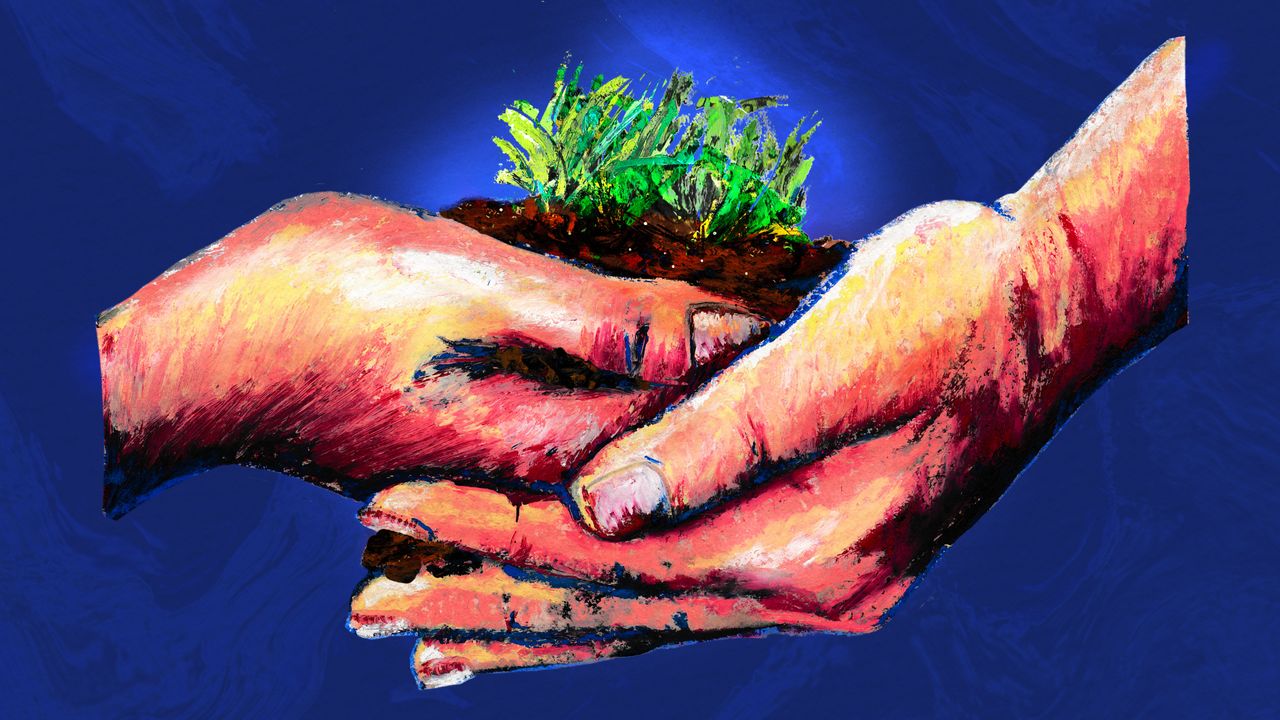
Becca Warner BBC Serenity Strull: Putting our hands in soil and touching grass, trees, or moss provides a wide range of health benefits, for our skin and wider immune system. I take a long walk in my nearest park every day, almost religiously. While I usually come home with clean hands, research suggests there's value in reaching out to touch trees, shrubs, and soil.
Mira Grönroos, an ecologist and nature-health researcher at the Finnish Environment Institute, conducted an experiment where people rubbed their hands with soil, peat, and moss for 20 seconds. Even after rinsing, their skin microbiota increased significantly. Grönroos notes that prolonged or frequent skin contact with nature could profoundly alter skin and body microbiomes.
Children at Aurinkolinna daycare in Finland play daily in a wooded playground, covered in mud. Scientists studying these children found that microbial diversity on their skin increased after playing on forest floors compared to paved areas. This diversity helps prevent disease-causing bacteria from dominating, balancing the microbial community. Fewer pathogens were observed, likely due to increased microbial competition.
Roslund’s research also showed that children playing in microbially diverse sandboxes had changes in immune markers, supporting immunoregulation. Another study found adults growing vegetables in microbially diverse soil saw increased skin bacterial diversity and anti-inflammatory cytokines. Similarly, installing "green walls" in Finnish offices increased skin microbial diversity and reduced pro-inflammatory cytokines.
Grönroos advocates for nature exposure in cities, suggesting unintentional contact with nature—like walking to work—could benefit health. Her findings highlight low-risk, high-potential benefits of embracing dirt and nature, reinforcing the idea that reaching out to mossy trees and grass is worth it.
Source: BBC